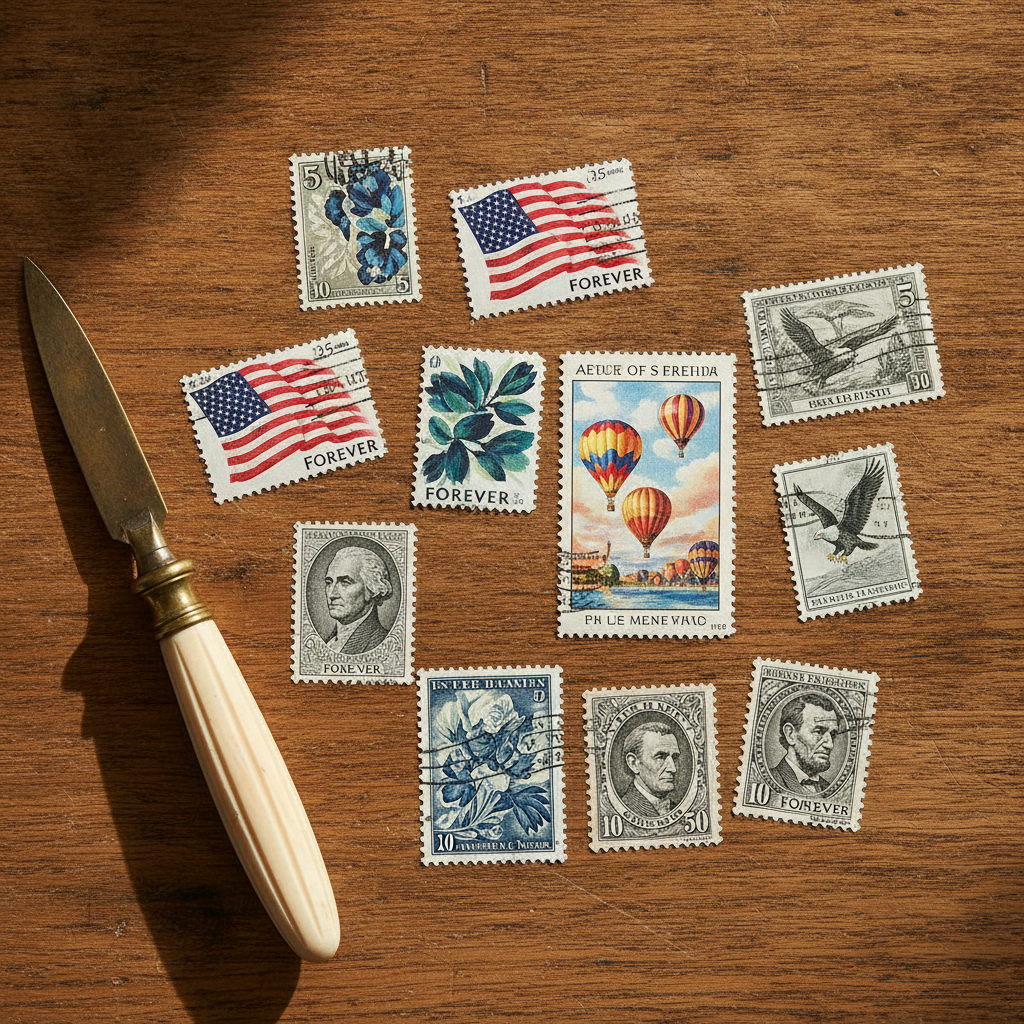
In an era dominated by digital communication, the enduring appeal of physical mail persists, and at its core lies the humble stamp. Understanding the nuances of these essential postal tools, particularly the ubiquitous USPS stamps and their most common form, Forever stamps, is crucial for anyone who sends mail. These small but significant adhesives represent more than just the cost of sending a letter; they embody a piece of American history and a vital component of our postal system.
The journey into the world of stamps can seem intricate, but a clear understanding of their purpose, value, and types simplifies the process. Whether you’re a seasoned correspondent or an infrequent sender, grasping the fundamentals of postage stamps ensures efficiency and accuracy in your mailing endeavors.
The Evolution and Significance of Postage Stamps
Postage stamps have a rich history, dating back to the mid-19th century when the Penny Black was introduced in Great Britain. This innovation revolutionized mail delivery by standardizing postage costs and placing the responsibility of prepayment on the sender. The United States quickly followed suit, issuing its first stamps in 1847.
These early stamps were not only functional but also served as miniature canvases, often depicting prominent figures, historical events, or national symbols. This practice continues today, with commemorative stamps celebrating a vast array of subjects, from scientific achievements to cultural icons.
From Denominations to Forever: Understanding Stamp Value
Historically, postage stamps featured specific monetary denominations. A letter requiring 50 cents of postage would necessitate a stamp or a combination of stamps totaling exactly that amount. This system, while straightforward, could become cumbersome as postal rates fluctuated.
The introduction of the Forever stamp marked a significant shift. First issued by the USPS in 2007, a Forever stamp is always valid for a one-ounce First-Class Mail letter, regardless of any future price increases. This innovation was designed to simplify the mailing process for consumers and streamline operations for the Postal Service.
This means that if you purchase a Forever stamp today for, say, 68 cents, it will still be valid for mailing a standard letter even if the price of a stamp rises to 70 cents or more next year. This foresight has made Forever stamps the most popular choice for everyday mailers.
Exploring Different Types of USPS Stamps
While Forever stamps are the most common, the United States Postal Service offers a variety of other stamps to meet diverse mailing needs. Each type serves a specific purpose and carries a particular value or function.
The Versatility of Forever Stamps
As mentioned, Forever stamps are the workhorses of the modern postal system. Their primary advantage lies in their perpetual validity for the cost of a single-ounce letter. This makes them ideal for regular correspondence, greeting cards, and any item that falls within the standard letter weight and size.
They come in various designs, often featuring patriotic motifs, seasonal themes, or artistic interpretations. The iconic flag stamps, for instance, are a perennial favorite, symbolizing national pride and readily available for purchase.
Commemorative and Definitive Stamps
Commemorative stamps are issued to honor significant events, people, or cultural achievements. These are typically produced in limited quantities and are often sought after by collectors. While they function as valid postage, their primary appeal is often their aesthetic and historical value.
Definitive stamps, on the other hand, are the everyday, long-term stamps that are always available. They often feature portraits of presidents or national symbols and are produced in large quantities. Forever stamps are a modern iteration of definitive stamps, offering the added benefit of unchanging value.
Specialty Stamps and Their Uses
Beyond the standard offerings, the USPS also provides specialty stamps for specific purposes. These can include stamps for international mail, oversized letters, or packages, although these often require additional postage or are handled differently.
For international mail, it’s essential to understand that a Forever stamp covers the domestic rate for a one-ounce letter. Mailing a letter abroad will require additional postage, often calculated based on the destination and weight. The USPS website and local post offices provide detailed information on international rates.
How to Purchase and Use USPS Stamps
Acquiring the necessary postage stamps is a straightforward process, with multiple convenient options available. Understanding where to buy them and how to apply them correctly ensures your mail reaches its destination without delay.
Where to Buy Postage Stamps
The most reliable place to purchase USPS stamps is directly from the United States Postal Service. You can buy them at any post office, either over the counter or from self-service kiosks. This ensures you are getting genuine stamps at the official price.
Additionally, many retail locations sell stamps, including grocery stores, drugstores, and office supply stores. While convenient, it’s advisable to purchase from reputable retailers to avoid counterfeit stamps. Some banks also offer stamps, often as a service to their customers.
Online purchases are also an option through the USPS website (USPS.com) or authorized third-party retailers. Buying directly from USPS.com is the safest bet for ensuring authenticity and fair pricing.
Applying Stamps Correctly
Applying a stamp correctly is fundamental to ensuring your mail is processed efficiently. The general rule is to place the stamp in the upper right-hand corner of the envelope’s front side. This is the designated area for postage.
Ensure the stamp is securely affixed to the envelope. For self-adhesive stamps, simply peel and stick. If you are using older, lickable stamps, moisten the back of the stamp and press it firmly onto the envelope.
Avoid placing stamps on the back flap of the envelope or in any other position. Incorrect placement can lead to delays or the inability of the mail to be delivered. If you are unsure about placement, observe other mailed envelopes or consult a postal clerk.
Dealing with Insufficient Postage
If a piece of mail is sent with insufficient postage, it will typically be returned to the sender if a return address is provided. If no return address is available, the mail may be sent to a dead letter office for processing.
For domestic mail, the recipient might be asked to pay double the amount of postage due. For international mail, the consequences can be more severe, with the mail often being returned to the sender or potentially confiscated, depending on the contents and destination regulations.
Using the correct amount of postage, especially with the convenience of Forever stamps for standard letters, prevents these issues entirely. It’s always better to err on the side of caution and add extra postage if you are uncertain about the weight or dimensions of your item.
The Enduring Relevance of Physical Mail and Stamps
Despite the digital revolution, physical mail retains a unique significance. It offers a tangible connection in a world increasingly mediated by screens. From personal letters and greeting cards to important documents and bills, mail continues to play a vital role in our lives.
The act of receiving a handwritten letter or a beautifully designed card can evoke a sense of personal connection that digital messages often lack. This enduring human need for tangible communication ensures the continued relevance of postage stamps.
Furthermore, collecting stamps, known as philately, remains a popular hobby. Many people are drawn to the history, art, and global reach represented by these small pieces of paper. Commemorative issues, in particular, are often cherished for their artistic merit and the stories they tell.
Flag Stamps: A Symbol of National Identity
Among the most recognized and frequently used stamps are those featuring the American flag. Flag stamps are more than just postage; they are a visual representation of patriotism and national identity. Their consistent availability, often as Forever stamps, makes them a go-to choice for many Americans.
The designs of flag stamps have evolved over time, reflecting different artistic styles and historical periods. Whether depicted in a classic, waving pose or presented in a more stylized artistic manner, the flag stamp serves as a constant reminder of the nation.
Their widespread use underscores the continued importance of sending mail as a form of communication and connection. Choosing a flag stamp is a simple yet meaningful way to express national pride with every letter sent.
Understanding the different types of USPS stamps, from the practical convenience of Forever stamps to the collectible nature of commemoratives, empowers you to navigate the postal system with confidence. Whether sending a birthday card across the country or a business letter across town, having the correct postage is the first step toward ensuring successful delivery.
By familiarizing yourself with the options and adhering to simple application guidelines, you can ensure your mail is handled efficiently. The enduring value of physical correspondence, coupled with the reliable service provided by the USPS, means that stamps will continue to be an essential part of our communication landscape for the foreseeable future, making informed choices about your postage needs a worthwhile endeavor.