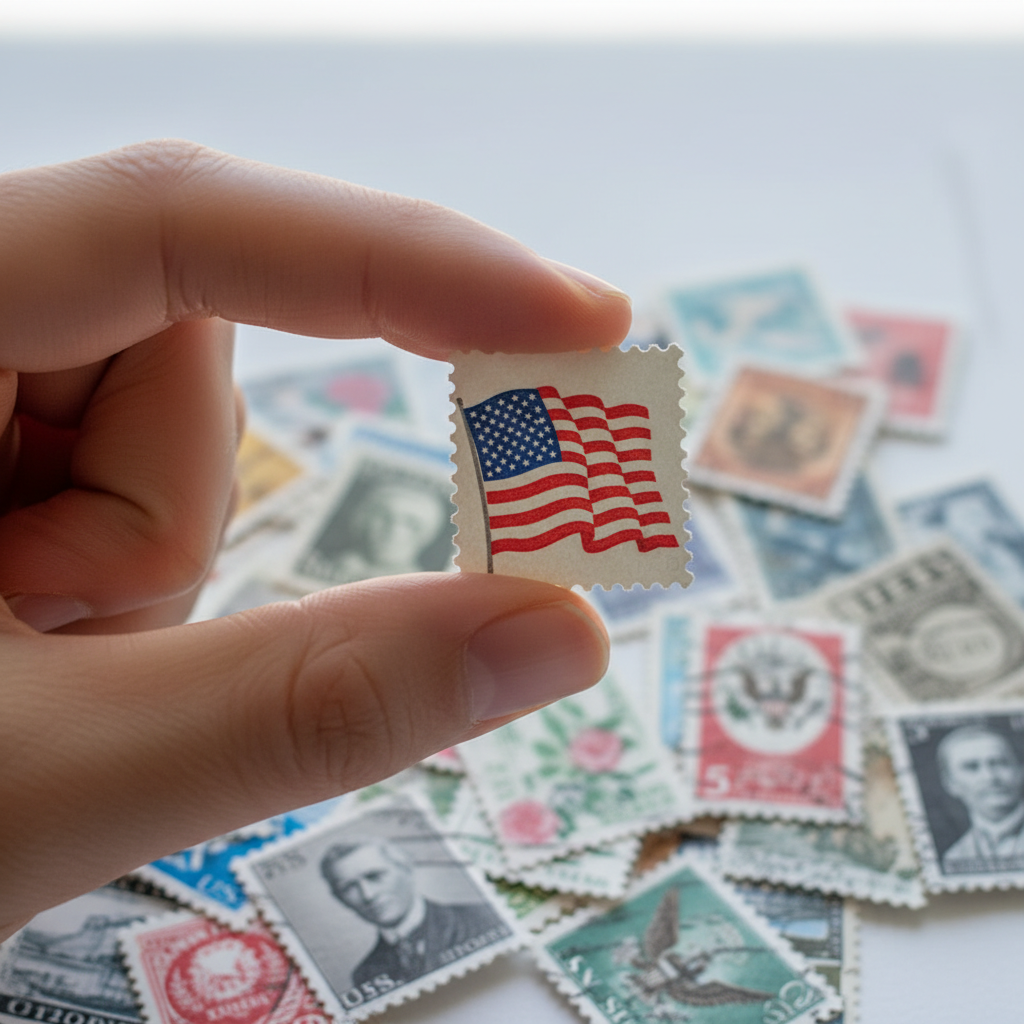
In an era dominated by digital communication, the humble stamp continues to hold a significant place in our postal system. Specifically, the concept of forever stamps, introduced by the United States Postal Service (USPS), represents a pivotal innovation in how we purchase and use postage. These stamps guarantee that a first-class mail letter will always be deliverable regardless of future postage rate increases, offering a degree of certainty and convenience that resonates with consumers and businesses alike.
Understanding the Evolution of Postage Stamps
The history of postage is a fascinating journey from simple prepayment mechanisms to the sophisticated and varied options available today. Early postage systems relied on individuals paying for the weight and distance of their mail, a cumbersome process prone to errors and disputes.
The introduction of adhesive postage stamps in the mid-19th century revolutionized mail delivery. These small, gummed pieces of paper provided a clear, standardized method for indicating that postage had been paid. This innovation greatly simplified the process for both senders and postal workers.
Over the decades, stamp designs have evolved from purely functional indicators to miniature works of art, often commemorating historical events, notable figures, or cultural achievements. This artistic dimension added a layer of collectibility and personal expression to mail.
The Genesis and Impact of Forever Stamps
The modern postal landscape saw a significant shift with the introduction of USPS stamps designed for long-term value. The most prominent among these are, of course, the forever stamps. Their inception was a direct response to the fluctuating nature of postage rates.
Before the advent of forever stamps, individuals had to constantly monitor rate changes. Purchasing a sheet of stamps meant risking that their value would diminish with the next price hike. This often led to the inconvenient practice of buying extra stamps or affixing multiple lower-value stamps to meet the new required postage.
The USPS introduced the first forever stamp in 2007. The initial design featured a classic depiction of the Liberty Bell. This groundbreaking concept meant that a forever stamp, when purchased, would always be valid for the first-class mail one-ounce letter rate, irrespective of future postal price adjustments.
This offered immediate benefits: predictability for consumers and a streamlined operational process for the USPS. The elimination of the need to constantly update stamp denominations simplified inventory management and reduced errors at the point of sale and in mail processing.
Navigating the World of USPS Stamps and Postage
The United States Postal Service offers a wide array of postage stamps beyond the universal forever stamp. These cater to various mailing needs and preferences, from specialized collections to specific mailing classes.
First-Class Mail remains the most common service for letters and small packages. For this class, forever stamps are the default choice for standard letters. However, the USPS also issues stamps with specific denominations for heavier mail, international destinations, or mailing items that exceed the one-ounce limit.
Understanding these denominations is crucial for accurate postage calculation. For instance, if a letter weighs more than one ounce, additional postage is required. This can be fulfilled by affixing additional forever stamps or by using stamps with specific cent values that, when added to the forever stamp, equal the correct total postage.
The Appeal of Themed and Commemorative Stamps
Beyond their functional purpose, many USPS stamps serve as miniature canvases for art and history. Commemorative stamps, often issued in limited runs, celebrate significant anniversaries, cultural milestones, famous individuals, and national landmarks.
These themed collections appeal not only to stamp collectors (philatelists) but also to the general public. They offer a tangible connection to moments and figures that have shaped American identity. Sending mail adorned with a special commemorative stamp can add a personal and thoughtful touch to correspondence.
The USPS also produces collectible stamps that might not always be tied to specific postal rates but are popular among hobbyists. These can range from intricate designs featuring wildlife and nature to artistic interpretations of abstract concepts.
Flag Stamps: A Symbol of National Identity
Among the most popular and enduring designs are flag stamps. These stamps typically feature the Stars and Stripes, often depicted in various artistic renditions, from solemn and formal to dynamic and vibrant.
Flag stamps are more than just a way to pay for postage; they are a visual representation of national pride and identity. Their frequent issuance and widespread availability make them a common sight on mail across the country.
The USPS often releases new flag stamp designs, sometimes coinciding with national holidays or significant patriotic events. These designs can vary, offering collectors and users a choice of aesthetic while maintaining the core symbolism.
For many, using a flag stamp is a simple yet meaningful way to express patriotism. They serve as a constant reminder of the nation’s heritage and values with every piece of mail sent.
Purchasing and Utilizing Forever Stamps Effectively
Acquiring forever stamps is a straightforward process, ensuring accessibility for all mailers. They can be purchased directly from the USPS, both online through their official website and in person at any post office.
Furthermore, many retail outlets, including grocery stores, drugstores, and office supply stores, carry forever stamps. This widespread availability makes it convenient to stock up without a special trip to the post office.
When using forever stamps, remember their primary function: valid for a standard one-ounce First-Class Mail letter. If your mail piece exceeds this weight or requires international postage, you will need to add additional postage in the form of definitive stamps (those with specific denominations) or more forever stamps.
For example, if the current First-Class Mail rate for a letter is $0.68 and you only have forever stamps (valued at the current one-ounce rate), you would need to affix one forever stamp and then additional stamps totaling $0.10 (assuming the forever stamp rate is $0.58). Alternatively, you could affix two forever stamps, though this would result in overpayment unless the postage rate had increased significantly.
The Cost-Benefit Analysis of Forever Stamps
The core advantage of forever stamps lies in their long-term economic value. By purchasing them at the current rate, you lock in that price for future mailings, effectively hedging against inflation and future postal rate increases.
Consider the cumulative savings over time. If you mail a significant volume of letters annually, the cost of buying stamps incrementally as rates rise can add up. Investing in forever stamps, especially when purchased in sheets or books, offers a more stable and predictable mailing budget.
While the initial purchase price is fixed, the value proposition grows with each rate adjustment by the USPS. This makes them a fiscally prudent choice for individuals, small businesses, and organizations that rely on regular mail correspondence.
Beyond the Standard: Specialized Postage Needs
While forever stamps cover the most common mailing scenario, the USPS provides solutions for more specialized requirements. These include options for certified mail, registered mail, and international shipments, each with its own pricing structure.
For international mail, specific international postage stamps or precise denomination stamps are necessary. The value of a forever stamp is tied to the domestic First-Class Mail rate and does not directly translate to international postage costs without calculation.
Similarly, mail requiring special services like tracking or insurance will necessitate additional postage beyond the standard letter rate. This is typically achieved by affixing definitive stamps or purchasing postage at the counter.
Understanding the different types of postage stamps available allows for efficient and cost-effective mailing. It ensures that your mail is not only properly stamped but also arrives at its destination without delays caused by insufficient postage.
The Role of Digital Postage Solutions
The digital age has also introduced alternative methods for purchasing and applying postage. Online postage services and postage meters allow users to print postage directly onto envelopes or labels from their computers or dedicated machines.
These digital solutions often offer convenience, especially for businesses that send a high volume of mail. They can provide features like batch printing, address verification, and tracking integration.
However, for the average individual sending occasional letters, the traditional forever stamp remains a simple, reliable, and cost-effective solution. Its tangible nature and universal acceptance continue to make it a cornerstone of the postal system.
The enduring appeal of the forever stamp lies in its blend of practicality, value preservation, and connection to a long-standing tradition of mail communication. It simplifies the process of sending mail in an increasingly complex world, ensuring that a simple letter can traverse the nation without the sender needing to constantly recalculate costs. Whether adorned with a patriotic flag or a commemorative design, these stamps continue to facilitate connection, one piece of mail at a time.