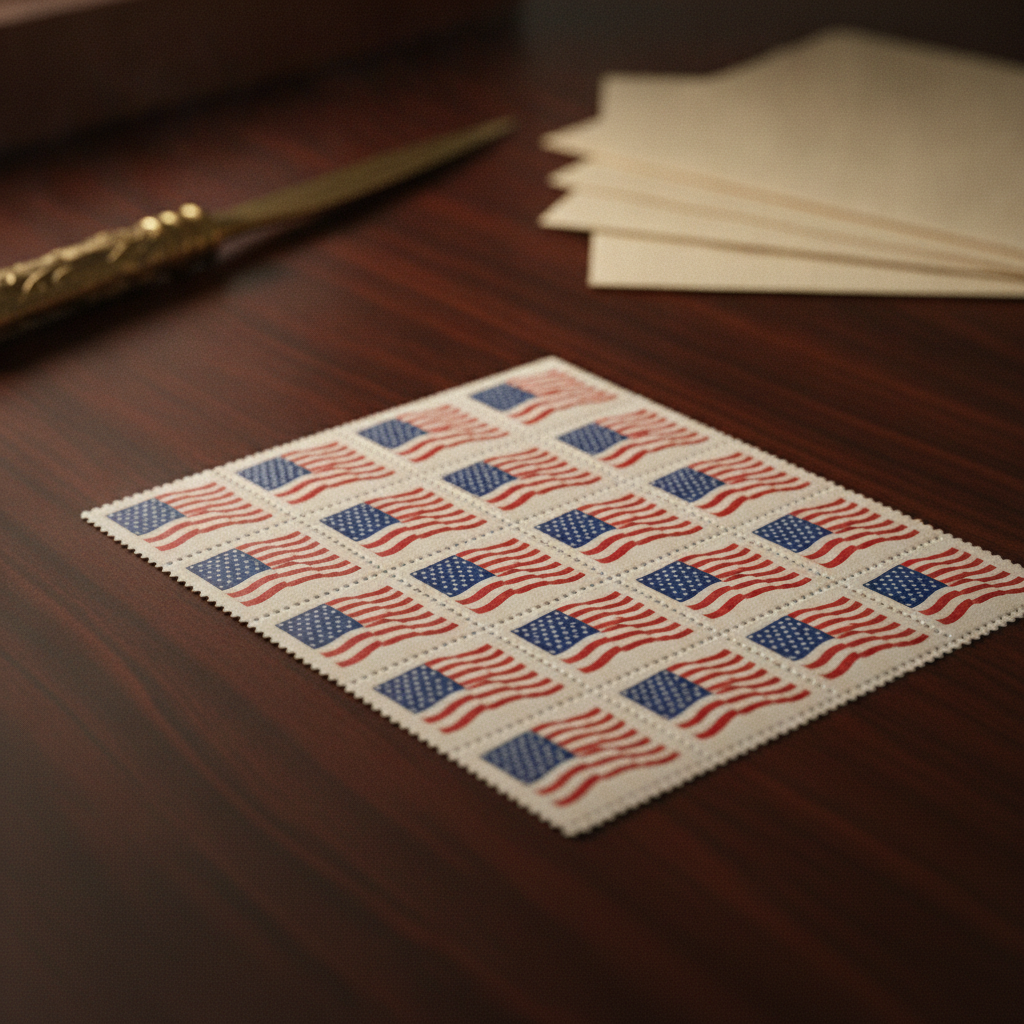
In an era dominated by instantaneous digital transactions, the enduring utility of physical postage stamps remains an intriguing economic anomaly. When the United States Postal Service introduced forever stamps in 2007, it fundamentally altered the consumer relationship with mailing costs. What appeared to be a simple convenience was, in reality, a sophisticated micro-investment vehicle designed to hedge against inevitable rate increases. To understand the true value of these tiny adhesives, one must dissect the fiscal mechanics behind the modern postage market.
For decades, consumers were forced to purchase tedious 1-cent or 2-cent stamps to supplement older postage whenever rates climbed. The introduction of non-denominated postage permanently eliminated this friction point. Today, analyzing the acquisition of these assets requires a blend of consumer psychology, historical pricing trends, and macroeconomic foresight. This critique will evaluate whether stockpiling postage is a brilliant hedge or a misguided allocation of capital.
The Fiscal Mechanics of Forever Stamps
To evaluate the utility of forever stamps, one must first understand their unique financial structure. Unlike traditional currency, which depreciates steadily under inflationary pressure, these stamps retain their transactional utility indefinitely. They represent a pre-paid contract for the delivery of a one-ounce letter, regardless of how high the nominal price of postage climbs in the future. This characteristic effectively transforms them into a consumer-grade commodity future.
From an analytical perspective, the United States Postal Service (USPS) essentially issues interest-free debt when it sells these non-denominated stamps. The consumer pays today’s prices for a service that may not be rendered for years, or even decades. This system provides the postal service with immediate liquidity while shifting the long-term operational risk of rising fuel and labor costs onto its own future balance sheets. It is a fascinating compromise between immediate cash flow and future liability.
The Concept of Pre-Paid Utility
Pre-paying for physical services is rarely seen in other modern industries due to the rapid obsolescence of technology. However, the physical delivery of paper documents remains a legally mandated necessity for many corporate and governmental processes. Because of this institutional inertia, the utility of a physical stamp remains remarkably stable over time. Buying postage early is one of the few ways an average consumer can legally bypass future price increases on a necessary service.
However, this transactional guarantee is only as valuable as the consumer’s actual need for physical mailing. For businesses that rely heavily on direct mail marketing or legal correspondence, the savings accumulated by purchasing large volumes of stamps before a rate hike can be substantial. For the casual household, the absolute dollar savings are often too negligible to justify the upfront capital expenditure. Therefore, the financial utility of these assets is highly dependent on scale.
Deconstructing the Pricing Trajectory of USPS Stamps
The pricing trajectory of usps stamps has historically been tied to the Consumer Price Index, but recent regulatory changes have disrupted this predictable pattern. In 2020, the Postal Regulatory Commission granted the USPS additional authority to raise rates above the rate of inflation to combat systemic deficits. This policy shift has led to more frequent and aggressive price hikes, catching many businesses off guard. Consequently, the rate of appreciation for unused postage has outpaced many traditional low-risk investment vehicles.
When analyzing the data, the nominal price of a first-class mail stamp has climbed at an unprecedented rate over the last decade. This aggressive pricing strategy is a direct response to declining mail volumes and mounting pension liabilities within the postal system. As the volume of first-class mail continues to shrink, the USPS must extract more revenue from each remaining piece of mail. This reality suggests that the value of existing postage will continue to rise rapidly in the coming years.
Inflationary Pressures and Regulatory Realities
The structural deficit of the postal system acts as a reliable catalyst for future rate increases. Because the USPS does not rely on taxpayer funding for its day-to-day operations, it must remain self-sustaining through the sale of its products and services. When fuel prices spike or labor union contracts are renegotiated, the only viable mechanism to balance the books is to raise the price of postage stamps. This structural reality makes future price hikes highly predictable.
For investors looking at alternative assets, this predictability is highly attractive. While the stock market is subject to volatile swings, the nominal price of postage almost never decreases. It is a one-way ratchet mechanism that guarantees the face value of your investment will only move upward over time. This makes the purchase of postage a unique, zero-volatility asset class, albeit one with very specific limitations.
Flag Stamps: The Intersection of Patriotism and Standardization
Among the various designs offered by the postal service, flag stamps occupy a unique position as the default, high-volume choice for both consumers and corporations. While commemorative issues appeal to collectors and hobbyists, the classic flag design represents the workhorse of the mailing industry. The constant production of these iconic designs ensures a highly standardized, universally recognized medium of exchange for postage. This standardization is crucial for high-speed automated sorting systems.
From a manufacturing standpoint, mass-producing a single, consistent design like the American flag allows the USPS to minimize printing costs. The high volume of flag designs in circulation also makes them less susceptible to counterfeit operations compared to rare, obscure commemorative issues. For businesses, using these neutral, patriotic designs avoids the potential branding conflicts that might arise from using more specific commemorative themes. It is a masterclass in functional, low-risk design utility.
Production Efficiencies of Single-Design Runs
The logistics of printing billions of tiny, adhesive squares require immense operational efficiency. By focusing a massive portion of production on flag stamps, the postal service achieves significant economies of scale. These savings help offset some of the rising material costs associated with specialized security inks and phosphorescent coatings used to prevent fraud. Thus, the humble flag design plays a critical role in keeping the overall cost of postal operations manageable.
Furthermore, the high familiarity of the flag design among the general public simplifies the verification process for postal employees. Mail carriers and sorting facility workers can instantly recognize valid postage without having to cross-reference obscure commemorative designs. This visual standardization speeds up the processing pipeline and reduces the margin for error in manual sorting scenarios. It proves that design simplicity directly correlates with operational velocity.
Is Hoarding Postage Stamps a Viable Financial Hedge?
To determine if stockpiling postage stamps is a rational financial decision, we must analyze the opportunity cost of the capital involved. If you purchase ten thousand dollars worth of stamps today, you are locking up liquidity in an asset that cannot be easily liquidated for cash. The USPS does not buy back stamps, meaning your only path to liquidation is selling them on secondary markets, often at a significant discount. This illiquidity is the primary drawback of using postage as a store of value.
When compared to traditional financial instruments like Treasury bills or high-yield savings accounts, the math becomes challenging. While postage rate increases may occasionally beat inflation, they do not compound in the way traditional investments do. Furthermore, physical stamps are subject to physical risks, including water damage, fire, and theft, none of which are covered by federal deposit insurance. Therefore, hoarding large quantities of stamps is rarely a sound macroeconomic strategy for individual wealth preservation.
The Liquidity Problem of Physical Assets
The secondary market for unused postage is notoriously inefficient and fraught with risk. If you attempt to sell a large collection of forever stamps on platforms like eBay or specialized forums, you will likely face steep transaction fees and buyer skepticism. Because counterfeit stamps have become increasingly prevalent online, legitimate sellers must often price their inventory below face value to attract buyers. This structural discount quickly erases any gains achieved through official rate increases.
Additionally, the physical storage of these assets requires climate-controlled environments to prevent the adhesive from degrading over time. If the backing paper becomes damp or the adhesive dries out, the stamps lose their physical utility and, consequently, their market value. When you factor in the costs of secure storage, insurance, and the time required to liquidate the asset, the theoretical arbitrage of buying before a rate hike largely evaporates for the average consumer.
Operational Realities of the Modern Postal System
To fully appreciate the context of postage pricing, one must examine the vast infrastructure of the USPS. Managing a network that delivers to over 160 million addresses six days a week requires astronomical capital expenditure. As fuel prices fluctuate and vehicle fleets age, the pressure on the postal budget becomes immense. These operational realities dictate that postage rates must continue to rise to prevent total systemic collapse.
Critics often point to inefficiencies within the postal system as the primary driver of rate hikes. While organizational bureaucracy certainly plays a role, the fundamental challenge is geographic. Delivering a letter to a remote Alaskan village costs the same single stamp as delivering a letter across the street in Manhattan. This universal service obligation is a noble democratic ideal, but it is an incredibly expensive logistical reality that must be subsidized by the pricing of stamps.
The Future of Physical Correspondence in a Digital Economy
As we look to the future, the ultimate utility of postage stamps is inevitably tied to the survival of physical mail. While package delivery has boomed due to e-commerce, the volume of first-class letters continues its steady, decades-long decline. Most transactional correspondence, such as utility bills and bank statements, has permanently migrated to digital portals. This secular shift raises serious questions about the long-term demand for physical postage.
However, physical mail possesses a tactile authority that digital communication cannot replicate. Direct mail marketing still boasts higher open and response rates than email spam, making physical stamps a vital tool for high-end advertising. Additionally, legal and governmental systems still require physical signatures and certified mail delivery for many official proceedings. This suggests that while the volume of mail will continue to shrink, it will likely never hit zero, preserving a baseline demand for postage indefinitely.
Ultimately, the decision to purchase and hold postage stamps should be viewed through the lens of consumption rather than investment. For active mailers, purchasing a multi-year supply of stamps before scheduled rate increases is a highly rational, low-risk way to reduce operating expenses. It is a practical utility play rather than a speculative asset play. By understanding the structural forces driving postal rates upward, consumers and businesses can make informed, calculated decisions about how to manage their physical mailing inventories in an increasingly digital world.