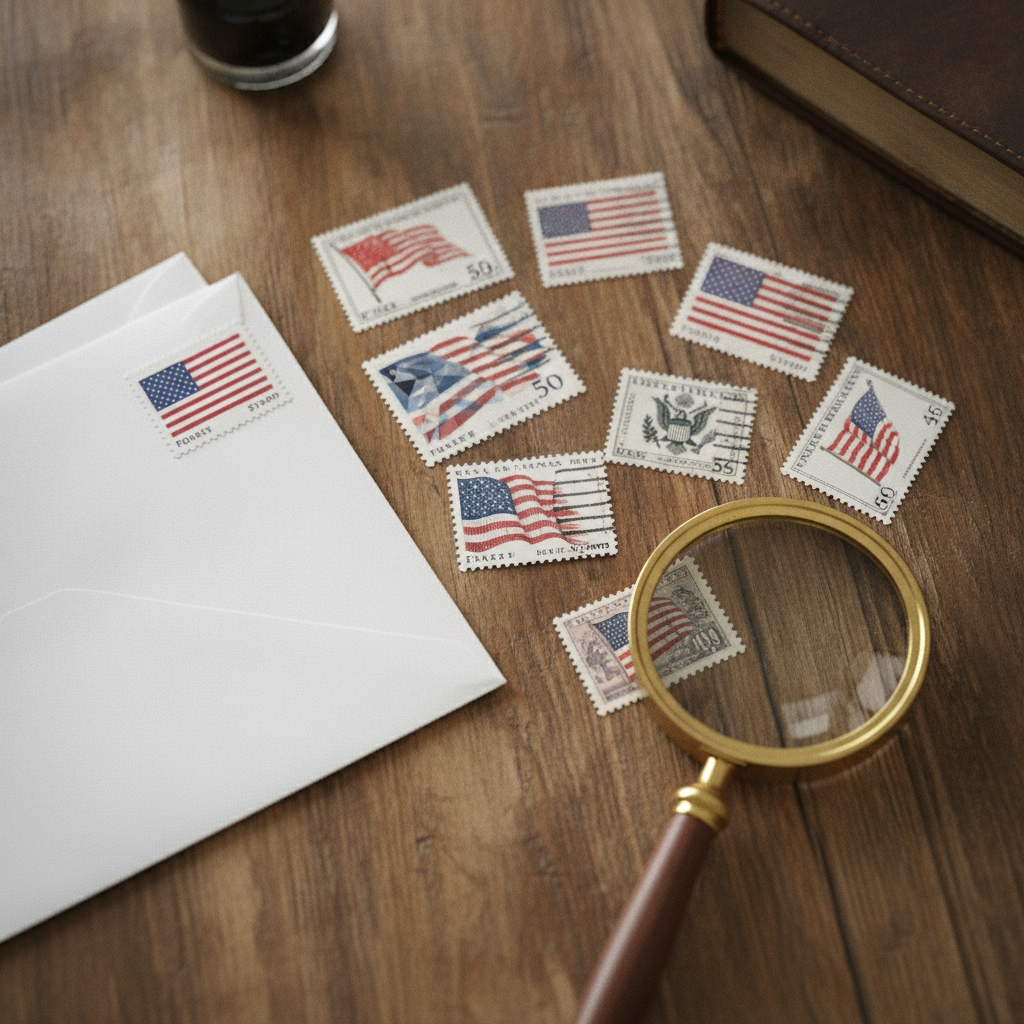
In an era dominated by digital communication, the humble postage stamp retains a surprising and enduring significance. These small pieces of adhesive paper are more than just a requirement for sending mail; they represent a tangible connection to history, art, and the very infrastructure of our nation’s communication network. Understanding the value and evolution of stamps, particularly iconic ones like forever stamps and flag stamps, offers a unique perspective on how we connect and commemorate.
The Fundamental Role of Postage Stamps
At its core, a postage stamp is a prepayment for postal services rendered by a country’s postal authority. It signifies that the sender has paid the necessary fee to have their item delivered. This system, standardized globally, ensures the efficient operation of mail delivery networks.
The United States Postal Service (USPS) has a long and rich history of issuing stamps. These not only facilitate communication but also serve as miniature canvases for national pride, historical reflection, and artistic expression. The act of affixing a stamp to an envelope is a small but meaningful ritual.
Forever Stamps: A Modern Solution to Rising Costs
Perhaps the most significant innovation in recent postal history is the advent of the forever stamp. Introduced by the USPS in 2007, these stamps have a unique characteristic: they are always valid for the first-class mail one-ounce rate, regardless of when they were purchased. This was a direct response to the predictable increases in postage rates over time.
The concept behind forever stamps was simple yet revolutionary. Customers could purchase stamps at the current rate, and if the rate increased, they wouldn’t need to buy additional postage to cover the difference for a standard letter. This provided cost certainty and convenience for individuals and businesses alike.
The initial release of forever stamps featured a simple design, often a stylized representation of the American flag. This choice was deliberate, aiming for a design that was universally appealing and symbolized national identity. The success of these initial issues paved the way for a wider variety of forever stamp designs.
The Practical Advantages of Forever Stamps
For the average consumer, forever stamps eliminate the hassle of tracking postage rate changes. It simplifies the process of mailing letters, birthday cards, and other standard correspondence. This convenience factor has made them incredibly popular.
Businesses that send a high volume of mail also benefit significantly. They can stock up on forever stamps during periods of lower rates, offering a cost-saving measure. This predictability is invaluable for budgeting and operational efficiency.
Furthermore, forever stamps have become a collector’s item in their own right. While not intended as such, variations in design, printing errors, or special editions can attract philatelists.
Flag Stamps: A Symbol of National Identity
Throughout the history of US postage, the American flag has been a recurring and prominent motif. Flag stamps are not just a means of postage; they are powerful symbols of patriotism, national unity, and remembrance. Their designs often evoke a sense of pride and shared identity.
From early depictions to modern, dynamic portrayals, flag stamps have evolved visually. They have been featured on countless commemorative and definitive issues, reflecting different eras and artistic interpretations of the Stars and Stripes. These stamps often coincide with national holidays or significant historical events.
The USPS has released numerous flag stamp designs over the decades. Some are straightforward representations, while others incorporate artistic elements or historical context. Each design tells a small story about the nation at the time of its issuance.
Thematic Significance of Flag Designs
Flag stamps serve a dual purpose: they fulfill the functional need for postage and act as miniature emissaries of American values. They are often chosen for their broad appeal, ensuring that the message of national identity is widely disseminated.
When a forever stamp features the flag, it combines the practical benefit of guaranteed postage with a strong visual symbol. This makes them particularly popular for everyday use, ensuring that even the most mundane mail carries a touch of national pride.
The selection of flag designs for USPS stamps is often a reflection of national sentiment. During times of crisis or celebration, flag stamps can take on added symbolic weight, becoming emblems of resilience or collective joy.
The Broader Landscape of USPS Stamps
Beyond forever stamps and flag stamps, the USPS issues a vast array of postage stamps. These include definitive stamps, which are the workhorses of the postal system and are printed in large quantities, and commemorative stamps, which celebrate specific people, events, achievements, or cultural milestones.
Thematic collections are a significant aspect of US stamp issuance. These can range from nature and wildlife to art, history, and popular culture. Each stamp is a small piece of art, often designed by talented graphic artists and illustrators.
Philately, the study and collection of stamps, is a hobby enjoyed by millions worldwide. Collectors meticulously preserve stamps for their historical value, aesthetic appeal, or rarity. Stamps can offer insights into the social, political, and cultural landscape of their time.
Collecting and Investing in Stamps
While most people use stamps for their intended purpose of postage, a subset of the population engages in stamp collecting. This hobby can be both educational and financially rewarding, though significant investment returns are typically associated with rare and historically important items.
The value of a stamp is determined by several factors: its rarity, condition, historical significance, and the demand among collectors. Mint condition stamps, especially those from early issues or with printing errors, can command high prices.
For the casual user, however, the value lies in the convenience and the connection to a long-standing tradition. The ability to purchase USPS stamps, whether they are forever stamps or themed issues, remains a fundamental aspect of personal and business communication.
The Future of Postage and Stamps
As digital communication continues to evolve, the volume of physical mail may decrease. However, the need for essential postal services, particularly for packages and official documents, remains. This ensures a continued role for postage stamps, even if their usage patterns shift.
The USPS continues to adapt, introducing new stamp designs and exploring innovative ways to engage the public. The enduring appeal of stamps lies in their ability to blend functionality with artistry and historical narrative. Whether it’s a practical forever stamp ensuring a letter reaches its destination or a commemorative issue celebrating a national hero, these small squares of paper continue to hold a special place.
Ultimately, the value of a stamp transcends its monetary cost. It is a symbol of connection, a piece of history, and a testament to the enduring human need to communicate across distances. By understanding the different types of USPS stamps available, from the practical forever stamps to the symbolic flag stamps, individuals can appreciate the rich heritage and ongoing relevance of this tangible form of communication in our increasingly digital world.