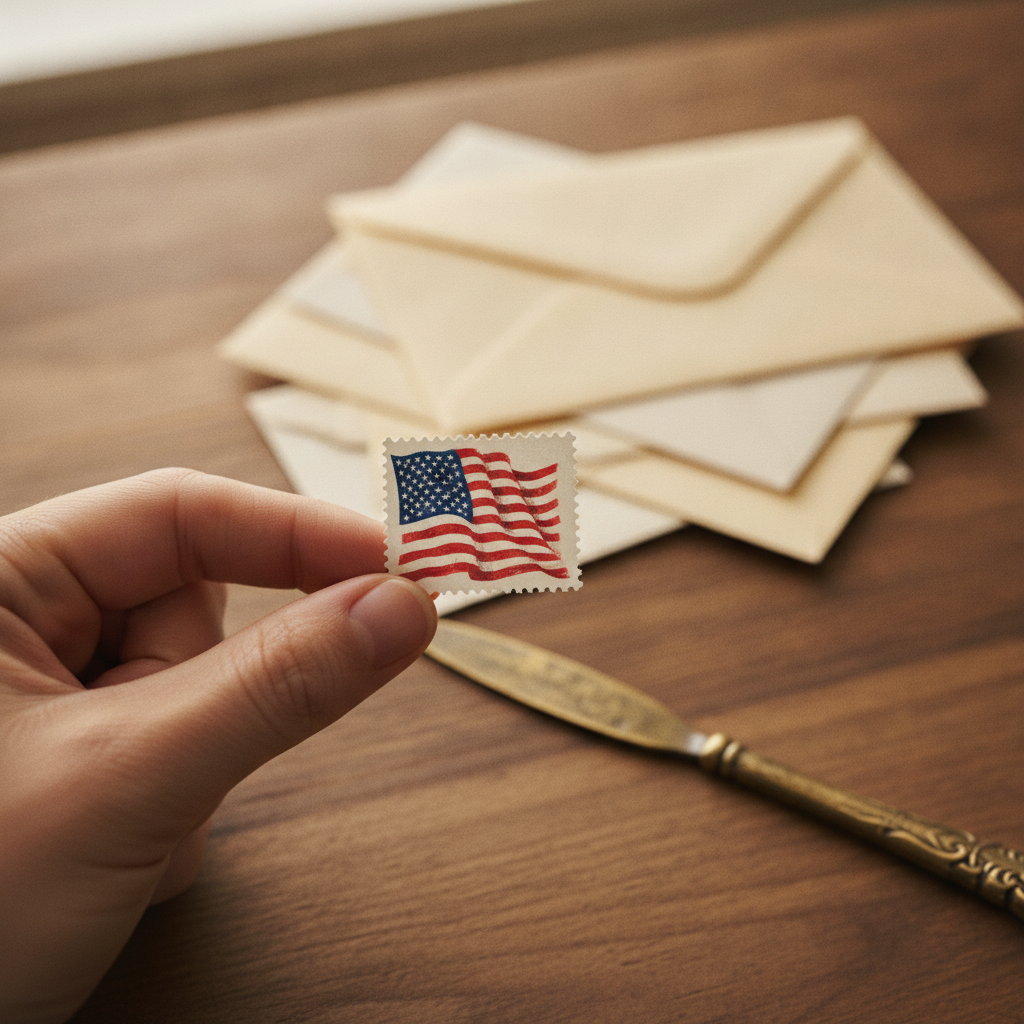
In the realm of postal services, few items possess the quiet ubiquity and enduring utility of postage stamps. Among these, the concept of the Forever Stamp has revolutionized how individuals and businesses approach mailings, offering a perpetual solution to fluctuating postal rates. Understanding the mechanics, history, and practical implications of these essential postal tools is crucial for anyone navigating the modern mail system, especially when considering the iconic status of flag stamps and other USPS stamps.
Understanding the Forever Stamp: A Perpetual Postage Solution
The Forever Stamp, a cornerstone of modern postal efficiency, represents a significant innovation by the United States Postal Service (USPS). Introduced in 2007, these stamps guarantee that the postage value will always be sufficient for a one-ounce First-Class Mail letter, regardless of future price increases. This eliminates the need to purchase additional postage or affix multiple stamps for a single mailing, simplifying the process for consumers.
This perpetual value is a key differentiator from traditional stamps, which are issued with a specific monetary denomination. As postal rates inevitably rise, the value of older, denomination-specific stamps diminishes, requiring users to supplement them. Forever Stamps, however, bypass this issue entirely, offering a consistent and reliable method for ensuring mail delivery.
The Mechanics Behind the Value
The USPS sets the initial price of a Forever Stamp to match the current First-Class Mail one-ounce rate. When the USPS revises its pricing, the value of a Forever Stamp automatically adjusts to the new rate. For example, if the rate for a one-ounce letter increases, the Forever Stamp automatically becomes valid for that higher rate without any change in its appearance or the need for a new design.
This mechanism ensures that even if you purchased Forever Stamps years ago, they remain valid for sending a standard letter today. This foresight has made them incredibly popular, particularly for individuals who mail letters infrequently or for businesses that send out bulk mailings on a regular basis.
A Brief History of Postage Stamps and Their Evolution
The concept of postage stamps dates back to the mid-19th century, with the Penny Black, issued in Great Britain in 1840, being the world’s first adhesive postage stamp. This innovation aimed to standardize and simplify the postal system, making it more accessible and affordable for the general public. Prior to stamps, postage was typically paid by the recipient, leading to complexities and potential disputes.
The United States adopted adhesive postage stamps shortly after, with the first U.S. stamps issued in 1847. These early stamps featured prominent figures like Benjamin Franklin and George Washington, setting a precedent for the use of national symbols and historical figures on postal currency. Over the decades, stamps evolved in design, purpose, and functionality, reflecting societal changes, historical events, and artistic expressions.
From Denomination to Perpetual Value
For over a century, the standard for postage stamps in the U.S. was based on fixed monetary denominations. Collectors and users alike would purchase stamps with values like 3 cents, 5 cents, or 10 cents, and these values were tied to specific postal rates at the time of their issuance. This system, while functional, created a recurring need for consumers to track and purchase updated postage.
The introduction of the Forever Stamp marked a paradigm shift. It acknowledged the inevitability of rate increases and provided a consumer-friendly solution. This move was not only practical but also strategically brilliant for the USPS, streamlining operations and enhancing customer satisfaction by removing a common point of friction in the mailing process.
The Significance of Flag Stamps and Iconic Designs
Among the most popular and enduring designs for USPS stamps are those featuring the American flag. Flag stamps hold a special place in American culture, symbolizing patriotism, national pride, and unity. These designs often appear in various artistic interpretations, from traditional depictions to more stylized or abstract representations.
The American flag is a recurring motif on postage, appearing on countless stamps throughout postal history. Whether issued as definitive stamps (part of a regular, long-term series) or commemorative issues, flag stamps resonate deeply with the public. Their consistent popularity underscores a national sentiment that transcends the purely functional aspect of postage.
Patriotism Embodied in Mail
Using a flag stamp on an envelope is often seen as more than just affixing postage; it’s a subtle expression of national identity. This is particularly true for Forever Stamps that feature the flag, as they combine a patriotic symbol with the convenience of perpetual postage value. The USPS often releases new flag stamp designs to coincide with significant national events or holidays.
These stamps serve as miniature pieces of art and cultural commentary, carried across the nation and the world. The enduring appeal of flag stamps highlights their role not just as facilitators of communication, but as carriers of symbolic meaning. They connect the act of mailing a letter to broader themes of national identity and pride.
Navigating the World of USPS Stamps and Postage
The United States Postal Service offers a diverse array of stamps beyond the ubiquitous Forever Stamp and popular flag designs. These include definitive stamps, designed for long-term use and often featuring portraits or national symbols, and commemorative stamps, issued to celebrate specific events, people, or achievements.
Understanding the different types of USPS stamps available can help consumers make informed choices for their mailing needs. While Forever Stamps are ideal for standard letters, other stamps might be necessary for different mail classes, weights, or international destinations. For instance, if you are sending a package or a letter that exceeds one ounce, you will need to add additional postage, which can be purchased in various denominations.
Where to Acquire Your Postage
Postage stamps, including Forever Stamps and specialized designs, can be purchased through several convenient channels. The most straightforward method is online via the USPS website, where customers can browse a vast selection and have them delivered directly. This option is ideal for those seeking specific designs or bulk quantities.
Additionally, stamps are readily available at local post offices, providing an opportunity for in-person selection. Many retail outlets, such as supermarkets, drugstores, and office supply stores, also carry a selection of commonly used stamps, primarily Forever Stamps and sometimes popular themed issues like flag stamps. This accessibility ensures that obtaining the necessary postage is rarely a barrier to sending mail.
The Practical Advantages of Forever Stamps for Everyday Use
The primary advantage of Forever Stamps lies in their unparalleled convenience and cost-effectiveness over time. By purchasing them at the current rate, users lock in the value for any future mailing of a one-ounce letter. This foresight prevents the common annoyance of discovering you need to buy additional postage just as you’re about to send an important document or card.
Consider the scenario of sending holiday cards. If you purchase a sheet of Forever Stamps in October, you can be confident that they will cover the postage for every card mailed, even if the postal rates increase in January. This predictability simplifies budgeting and planning for mailings, especially for individuals and small businesses.
Simplifying Mailings for All
The advent of Forever Stamps has democratized the act of mailing. It removes the need for users to constantly monitor postal rate changes or maintain a diverse collection of stamps with varying denominations. This is particularly beneficial for seniors, individuals with disabilities, or anyone who finds managing small denominations cumbersome.
Furthermore, the visual consistency of Forever Stamps, regardless of their initial purchase date, streamlines the process of preparing mail. One does not need to sort through old stamps to find ones that match the current rate. This simplicity translates into time savings and reduced stress, making the entire mailing experience more efficient and user-friendly.
Beyond First-Class: Understanding Other Postage Needs
While Forever Stamps are invaluable for standard First-Class Mail, they are not a universal solution for all postal requirements. The USPS offers a complex system of rates and services designed for different types of mail, including heavier items, packages, and international correspondence.
For mail exceeding one ounce, or for sending packages, additional postage is required. This can be achieved by affixing additional denomination-specific stamps to the envelope or package, or by using metered postage generated by a postage meter or online shipping software. Understanding these distinctions is key to avoiding mail delays or surcharges.
International Mail and Package Services
Sending mail internationally requires different postage than domestic mail. The cost varies based on the destination country and the weight of the item. While Forever Stamps can be used towards international postage by adding the difference in value, they do not cover the full cost of international mail on their own.
Similarly, shipping packages falls under different categories like USPS Ground Advantage, Priority Mail, or Priority Mail Express. These services have their own pricing structures, often based on weight, dimensions, and destination. For these needs, relying solely on Forever Stamps is insufficient, and customers must purchase specific postage or use online services that calculate and print postage labels.
The Future of Postage and the Enduring Relevance of Stamps
The digital age has introduced numerous alternatives to traditional mail, from email and instant messaging to electronic bill payments. However, physical mail continues to hold significant importance for official documents, personal correspondence, and tangible marketing. This enduring relevance ensures that the need for reliable postage solutions, like those provided by the USPS, will persist.
The USPS has adapted by embracing technology, offering online services for purchasing stamps, printing shipping labels, and tracking packages. Yet, the physical stamp, particularly the innovative Forever Stamp, remains a tangible symbol of connection and a vital component of the communication infrastructure. Its simplicity and guaranteed value ensure its continued utility in a world that, despite its digital advancements, still values the act of sending and receiving physical mail.
The evolution from denomination-specific stamps to the perpetual value of Forever Stamps, coupled with the enduring appeal of designs like flag stamps, demonstrates a thoughtful adaptation by the USPS to meet consumer needs. Whether you are sending a birthday card across town or an important business letter across the country, understanding the functionality and benefits of these essential postal tools empowers you to navigate the mailing system with confidence and efficiency, ensuring your messages reach their destination without unnecessary complications or unexpected costs.