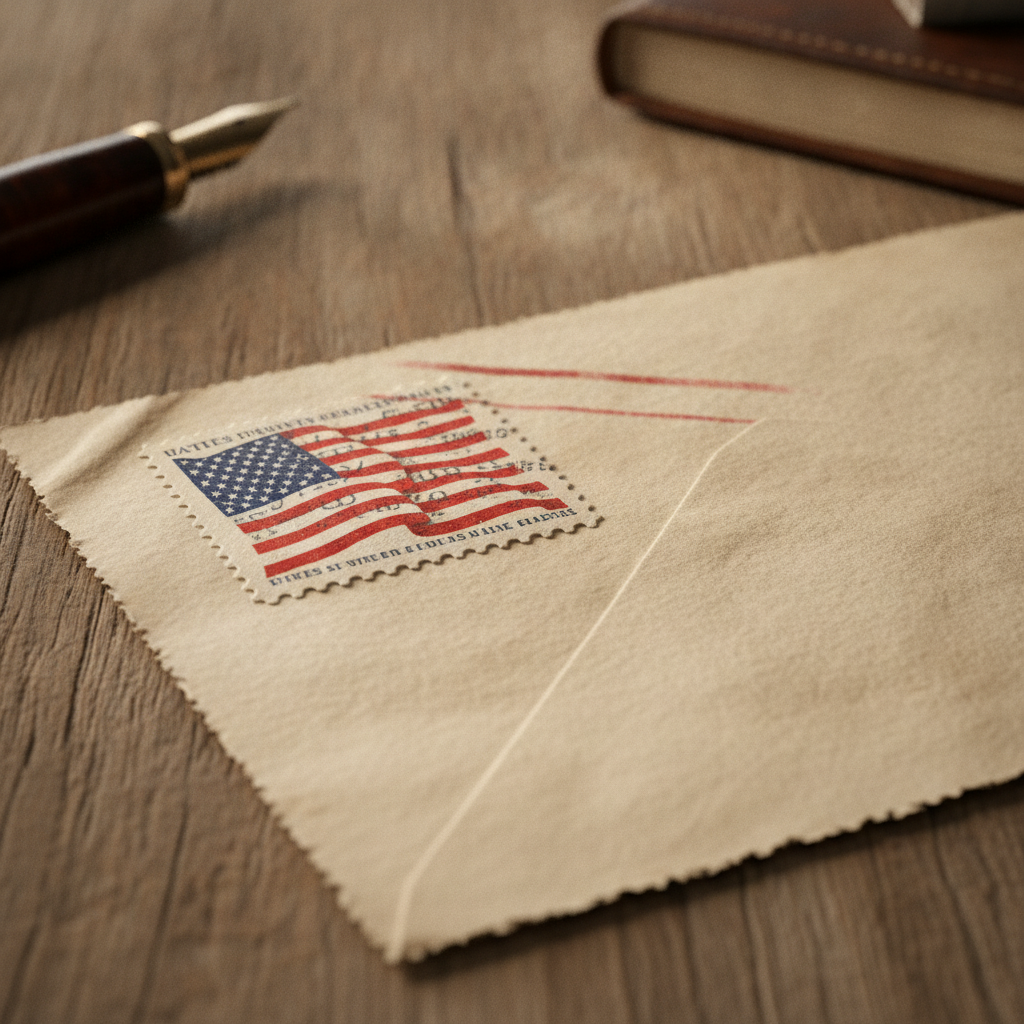
Every day, millions of physical letters traverse the globe, anchored by a tiny, adhesive rectangle that functions as a micro-currency. While digital communication dominates contemporary life, traditional postage stamps remain a fundamental pillar of global commerce and personal connection. The United States Postal Service (USPS) manages an intricate network where these small tokens represent prepaid delivery, surviving economic recessions and technological revolutions. To understand their enduring utility, one must analyze the complex intersection of logistics, monetary policy, and cultural branding that defines these ubiquitous items.
The physical stamp is more than a receipt; it is a contract between the citizen and the state. By purchasing a stamp, you acquire a guarantee of secure, federally protected transport across vast distances. This system relies on a delicate balance of pricing strategies and public trust to remain solvent in an increasingly paperless world.
The Economic Architecture of USPS Stamps
The pricing mechanism of the postal service is a frequent subject of public debate and political scrutiny. Unlike private couriers, the USPS operates under a universal service obligation, meaning it must deliver to every American address regardless of geographic isolation. To fund this massive infrastructure, the pricing of usps stamps must be meticulously calibrated to offset rising operational costs without alienating the public.
For decades, rate increases were met with consumer frustration and bureaucratic friction. Every minor price adjustment required the production of low-denomination stamps to make up the difference on existing inventory. This inefficient cycle created administrative bottlenecks and consumer inconvenience, highlighting the need for a more dynamic financial instrument within the mailing system.
The Strategic Genius of Forever Stamps
Introduced in 2007, the concept of the forever stamp fundamentally altered the landscape of postal economics. These forever stamps are sold at the prevailing First-Class Mail rate but remain valid for postage regardless of future price hikes. This brilliant regulatory shift transformed a simple utility into a commodity hedge for consumers and businesses alike.
From an analytical perspective, this model provides the USPS with immediate, interest-free capital. When consumers purchase sheets or rolls of these stamps in bulk, they are essentially lending money to the postal service. The USPS gains liquidity today, while the consumer secures protection against the inevitable inflation of tomorrow. It is a rare financial win-win that stabilized postal revenues during critical transition periods.
The Cultural Iconography of Flag Stamps
Beyond their economic utility, stamps serve as a visual medium for national branding and collective identity. Among the vast array of commemorative issues, flag stamps remain the most consistently produced and widely distributed designs in American history. The image of the Stars and Stripes on a envelope carries deep symbolic weight, reinforcing the presence of the federal government in daily life.
This visual strategy is not accidental; it is a calculated effort to maintain a sense of unity and national stability. By utilizing a universally recognized symbol, the postal service bypasses partisan divisions and cultural shifts. The flag design appeals to the broadest possible demographic, ensuring steady sales and a neutral, professional aesthetic for business correspondence.
Aesthetic Monotony versus Mass Appeal
Critics often argue that the repetitive reliance on the American flag limits the creative potential of postal design. While commemorative stamps celebrate artists, historical milestones, and scientific achievements, the standard flag issue remains the default choice for the average consumer. This tension between artistic expression and mass utility highlights the dual nature of the postal service as both a cultural curator and a bureaucratic machine.
However, from a production standpoint, standardization is highly efficient. Producing billions of identical designs reduces printing costs and simplifies quality control. The iconic flag imagery ensures that the stamps are instantly recognizable to sorting machines and postal workers, minimizing processing errors in high-speed distribution centers.
Operational Security and the Counterfeit Crisis
As the nominal value of postage continues to rise, the incentive for illicit duplication has grown exponentially. The market has recently been flooded with counterfeit stamps, often sold at steep discounts through unauthorized online retailers. This illicit trade poses a significant threat to the financial integrity of the USPS, siphoning off millions of dollars in potential revenue.
Modern counterfeits are highly sophisticated, often replicating the paper texture, adhesive backing, and basic design elements of genuine issues. For the untrained eye, distinguishing between an authentic product and a fraudulent copy is increasingly difficult. This criminal enterprise undermines public confidence and forces the postal service to invest heavily in security measures.
How to Verify Authentic Postage Stamps
To combat this growing threat, the USPS utilizes advanced printing technologies that are difficult for counterfeiters to replicate. Genuine issues feature microprinting, specialized phosphorescent inks that glow under ultraviolet light, and precise die-cut perforations. These security features allow high-speed sorting equipment to detect fraudulent mailpieces and reject them before they enter the delivery stream.
Consumers can protect themselves by purchasing postage exclusively from authorized sources, such as local post offices or the official USPS website. Deals that seem too good to be true, such as bulk quantities sold at half price on social media platforms, are almost certainly counterfeit. Maintaining vigilance in procurement is essential to supporting the public infrastructure that makes reliable mail delivery possible.
The Future of Tangible Mail in a Digital Hegemony
The rapid rise of email, digital billing, and instant messaging has undeniably impacted the volume of First-Class Mail. Analysts have long predicted the demise of the physical envelope, viewing it as an archaic relic of a pre-digital era. Yet, the physical stamp persists, carving out a resilient niche in a world dominated by ephemeral screens.
This endurance is rooted in the unique psychological and legal status of physical mail. A letter sealed with a stamp carries a level of gravity, privacy, and permanence that digital communication cannot replicate. From legal documents to personal invitations, the physical medium commands attention and respect, ensuring its continued relevance for the foreseeable future.
The Parcel Revolution and Postal Adaptation
As letter volume declines, the explosion of e-commerce has shifted the operational focus of the USPS toward package delivery. This transition requires a massive reallocation of resources, vehicles, and sorting technology. However, the humble letter-class stamp remains a vital source of high-margin revenue that helps subsidize the costly last-mile delivery network.
The postal service is actively modernizing its fleet and facilities to meet these changing demands. By integrating digital tracking with physical postage, the USPS bridges the gap between traditional reliability and modern convenience. The stamp is not disappearing; it is evolving to serve as a secure anchor in a hybrid physical-digital economy.
The enduring utility of physical postage lies in its simplicity and security. In an era plagued by data breaches, digital fatigue, and invasive tracking, a physical letter offers an un-hackable, legally protected channel of communication. By understanding the economic value of forever issues and purchasing authentic postage, citizens actively preserve a democratic infrastructure that has bound the nation together for nearly two centuries.